AI-enhanced training

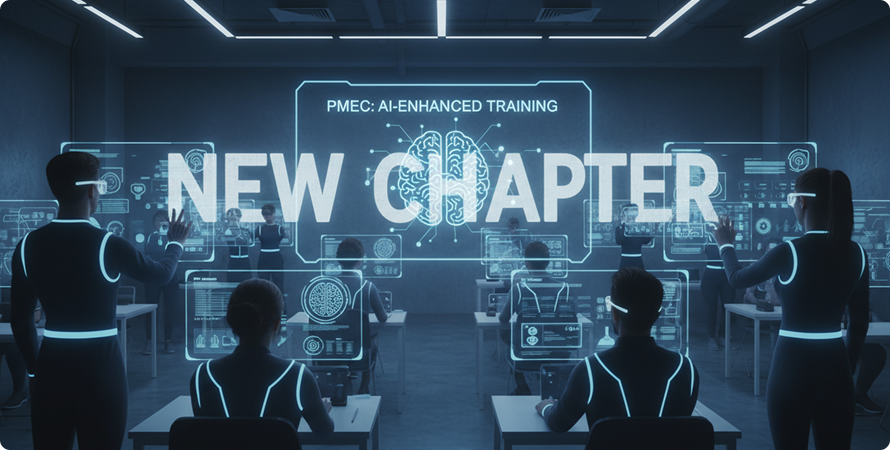
PMEC Begins a New Chapter in AI-Enhanced Training

PMEC has begun a new chapter in professional learning by introducing AI-enhanced training experiences designed to make development more practical, personalized, and measurable. The step reflects PMEC’s commitment to modern training that does not stop at delivering content, but focuses on helping learners practice, improve, and apply knowledge inside real workplace situations. Artificial Intelligence is now changing the expectations of corporate learning. Professionals no longer need only information; they need guided practice, smarter assessments, targeted feedback, and learning journeys that continue beyond the training room. Through AI-supported tools, PMEC aims to strengthen the learner experience before, during, and after training. This can include pre-assessments, personalized practice, scenario-based exercises, progress reviews, and post-training reinforcement that helps participants identify their development priorities more clearly. The initiative is designed to support professionals, managers, project teams, and corporate clients across PMEC’s key areas of expertise, including project management, PMP preparation, Agile, business analysis, human development, consulting services, assessments, and management excellence. PMEC’s direction is based on a clear principle: AI should support the trainer, not replace the trainer. Human expertise remains central to the learning experience, while AI adds structure, personalization, speed, and better insight into learner progress. This development also aligns with PMEC’s 2026 training direction, where AI & Digital Skills form a major pillar of future professional capability. Programs such as AI Assisted Decision Making, AI in HR Functions, AI for Managers & Executives, AI for Marketing & Sales, Data Analysis for Non-Specialists, Cyber Awareness for Executives, and Digital Transformation & Innovation Lab show PMEC’s focus on preparing professionals for a workplace shaped by technology and transformation.
By implementing AI-enhanced learning, PMEC is building a stronger bridge between training content and workplace performance. Learners can benefit from more focused practice, while organizations can gain clearer visibility into skill gaps, learning progress, and development needs. This is not simply a technology update. It is a shift in how professional training can create value: more relevant to each learner, more useful for organizations, and more connected to the future of work. Further details about eligible programs, implementation phases, and AI-supported learning features will be announced through PMEC’s official channels.

Related Blog posts

PMEC 40 years

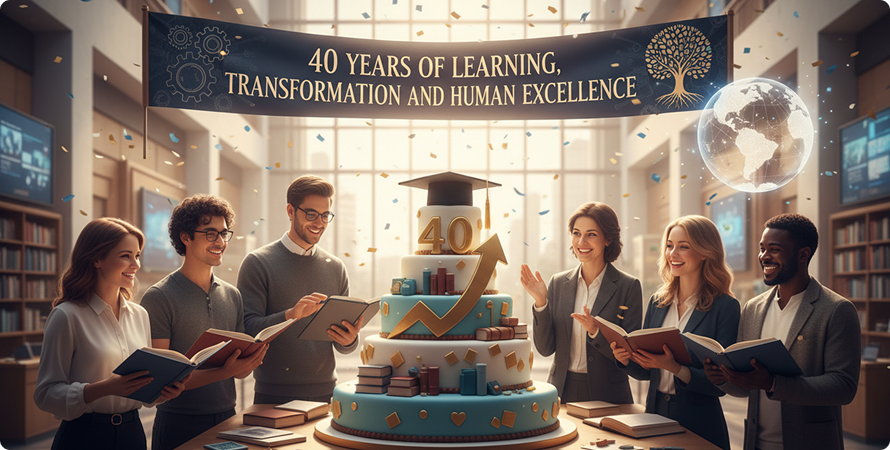
PMEC Marks 40 Years of Impact with 40 Programs for the Future of Work

For 40 years, PMEC has not only delivered training. It has helped shape professionals, strengthen organizations, and turn knowledge into practical impact. Today, Professional Management Expertise Center celebrates a remarkable milestone: four decades of empowering minds, developing leaders, and supporting institutions through professional training, consulting, and management excellence

AI-enhanced training

PMEC Begins a New Chapter in AI-Enhanced Training

PMEC has begun a new chapter in professional learning by introducing AI-enhanced training experiences designed to make development more practical, personalized, and measurable. The step reflects PMEC’s commitment to modern training that does not stop at delivering content, but focuses on helping learners practice, improve, and apply knowledge inside real workplace situations.

PMEC 40 years

40 Years of Learning, Transformation, and Human Excellence

For forty years, PMEC has witnessed profound changes in the world of work. Technologies evolved. Markets transformed. Leadership models shifted. Entire industries emerged and disappeared.

training ROI

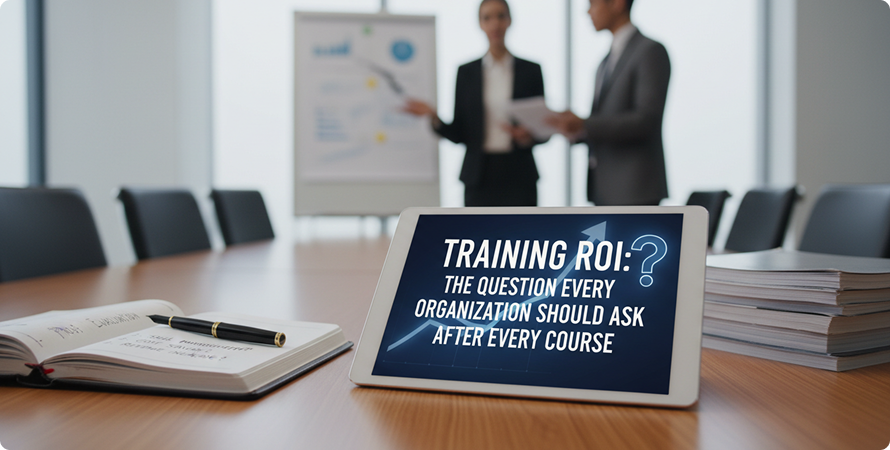
Training ROI: The Question Every Organization Should Ask After Every Course

A full training room is not proof of impact. Positive feedback is not always proof of change. A certificate is not always proof of capability. And attendance, on its own, tells an organization who was present — not who improved. This is why training ROI has become one of the most important conversations in professional development. Organizations invest in training because they expect better performance, stronger skills, improved execution, and business growth. The question is not whether training happened. The question is: what changed because of it?

Agile and Scrum training

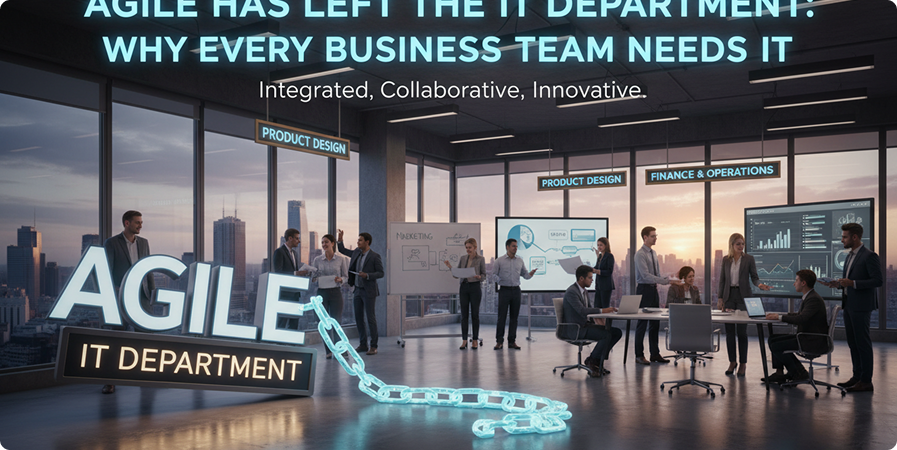
Agile Has Left the IT Department: Why Every Business Team Needs It

Agile has left the IT department. What started as a way for software teams to build better products has become a language for modern work: faster learning, clearer priorities, stronger collaboration, and the ability to adapt without losing direction. Today, Agile and Scrum are not only useful for developers. They are useful for HR teams redesigning employee experience, marketing teams testing campaigns, operations teams improving processes, consulting teams delivering client value, and leadership teams managing transformation

Project Management Skills

Project Management Is Not a Job Title Anymore. It Is a Survival Skill.

Project management is no longer a department. It is the way modern work gets done. A marketing campaign is a project. A new HR policy is a project. A digital transformation initiative is a project. A training rollout, a customer experience redesign, a facility upgrade, a new product launch, and a strategic change program are all projects in practice, even when nobody uses the title “Project Manager.” That is why project management skills have become essential for almost every professional. Organizations today do not only need people who complete tasks. They need people who can organize complexity, manage priorities, communicate clearly, reduce risk, and deliver outcomes